It’s quite obvious that the ‘fictional’ Hamden Town is loosely based on the ‘real world’ Camden Town in North London. Author Gloria Sync lived in Camden Town from 2003 to 2009, and it was during this time that the seed that became 'Swinella' was planted. There are, however, many differences between Hamden Town and Camden Town. The first obvious difference is the presence of the bestiamorphs, of course. Another difference is that the names of some of the places, roads and pubs are slightly different. Examples of changed street and place names are: Parkway in Camden Town is Porkway in Hamden Town. Chalk Farm Road is Pork Farm Road. Primrose Hill is Rosebud Hill and Belsize Park is Bellzend Park. Kentish Town and Kentish Town Road are Bentish Town and Bentish Town Road respectively. As for pubs and venues: Camden’s The Devonshire Arms is Hamden’s The Devil’s Shire Harms. The Elephant’s Head in Camden Town is The Elephant Shed in Hamden Town. The Dublin Castle is The Drogheda Castle. The Electric Ballroom is The Electric Ball Bag. Camden’s Oxford Arms becomes The Oxblood Arms in Hamden Town. Koko (which was called Camden Palace from ‘82-’04) is Hamden Palais in Hamden Town. The World’s End (formerly The Mother Red Cap) is The Red Cap and The Black Cap is The Mother Black Cap. As well as the different names there are a few structural changes, most notably Regents Park, which in the bestiamorph’s world is a forested recreation area called The Regent’s Wood, and Highgate Cemetery, which has been moved from Highgate to Bellzend Park, becoming Bellzend Graveyard on the way. Highgate Cemetery is a cemetery because it has no church, but the burial ground in Bellzend Park has a church, albeit a ruined one, so it is technically a graveyard rather than a cemetery.
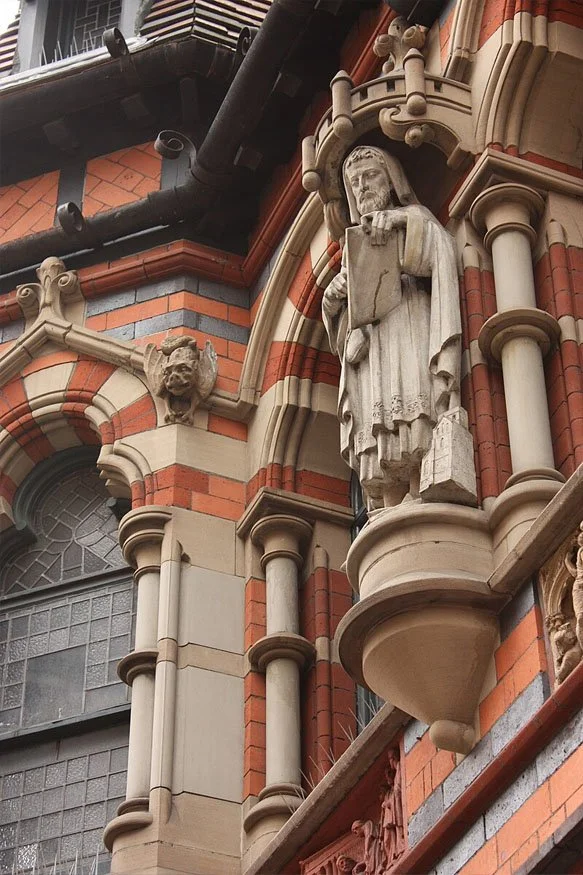
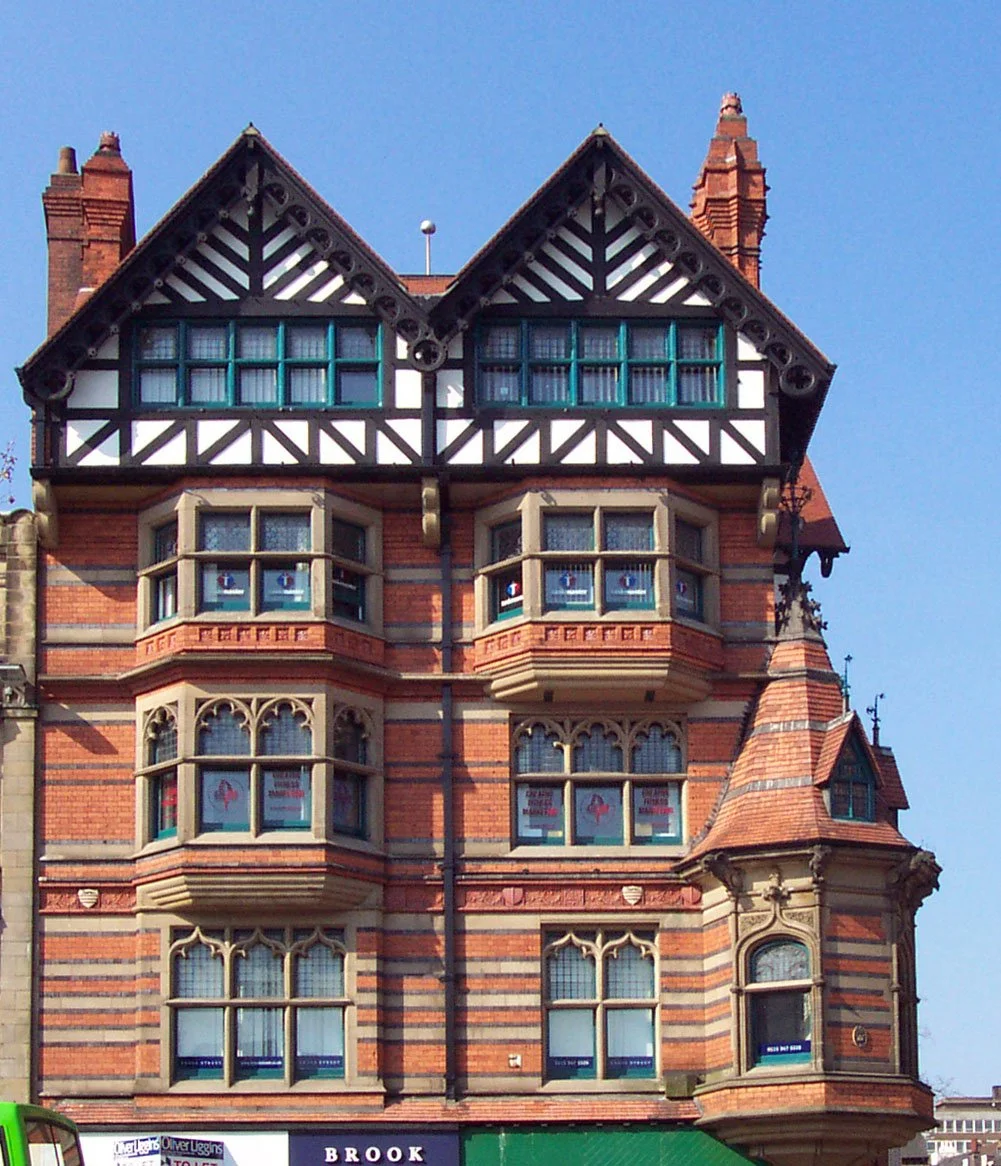
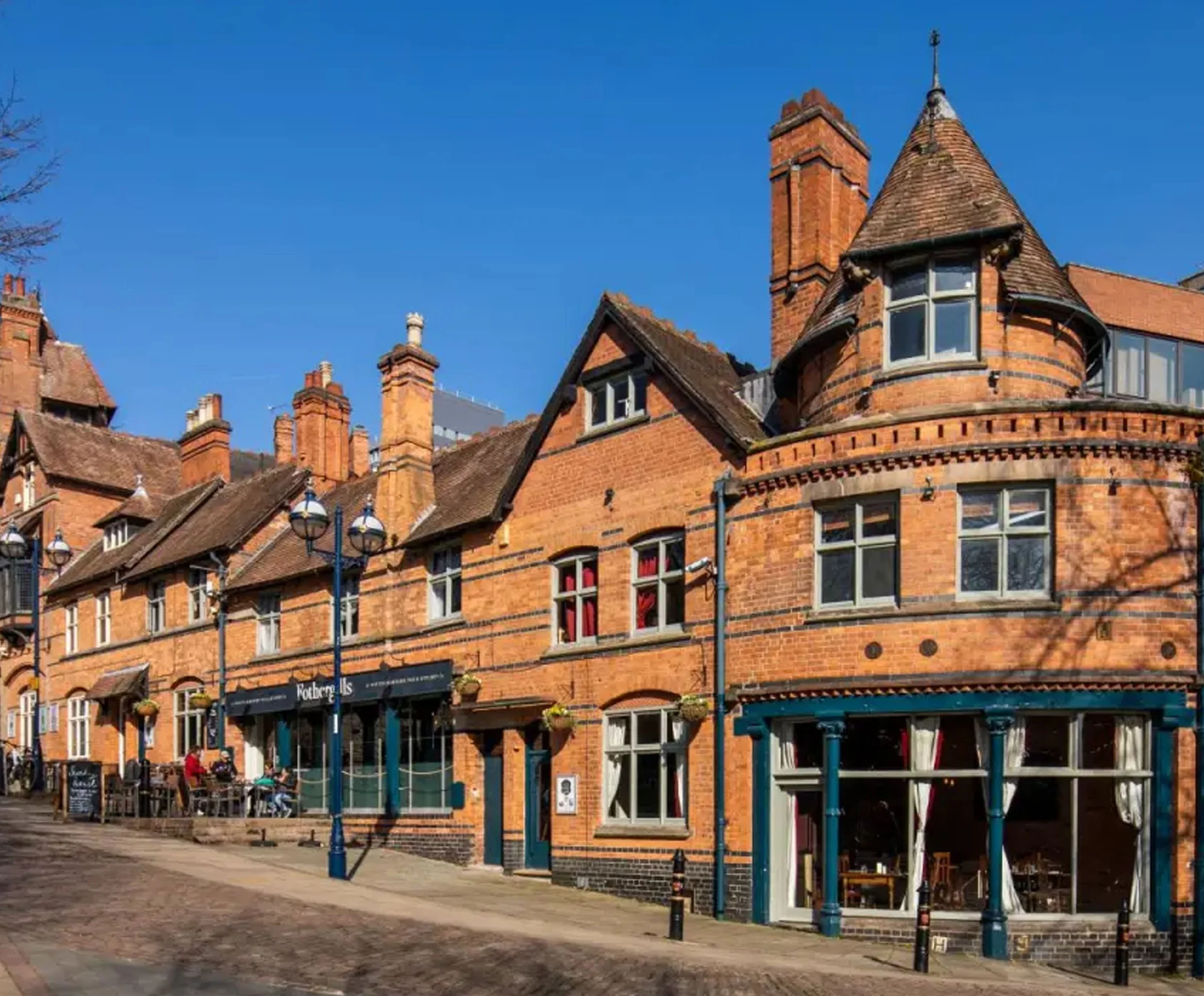
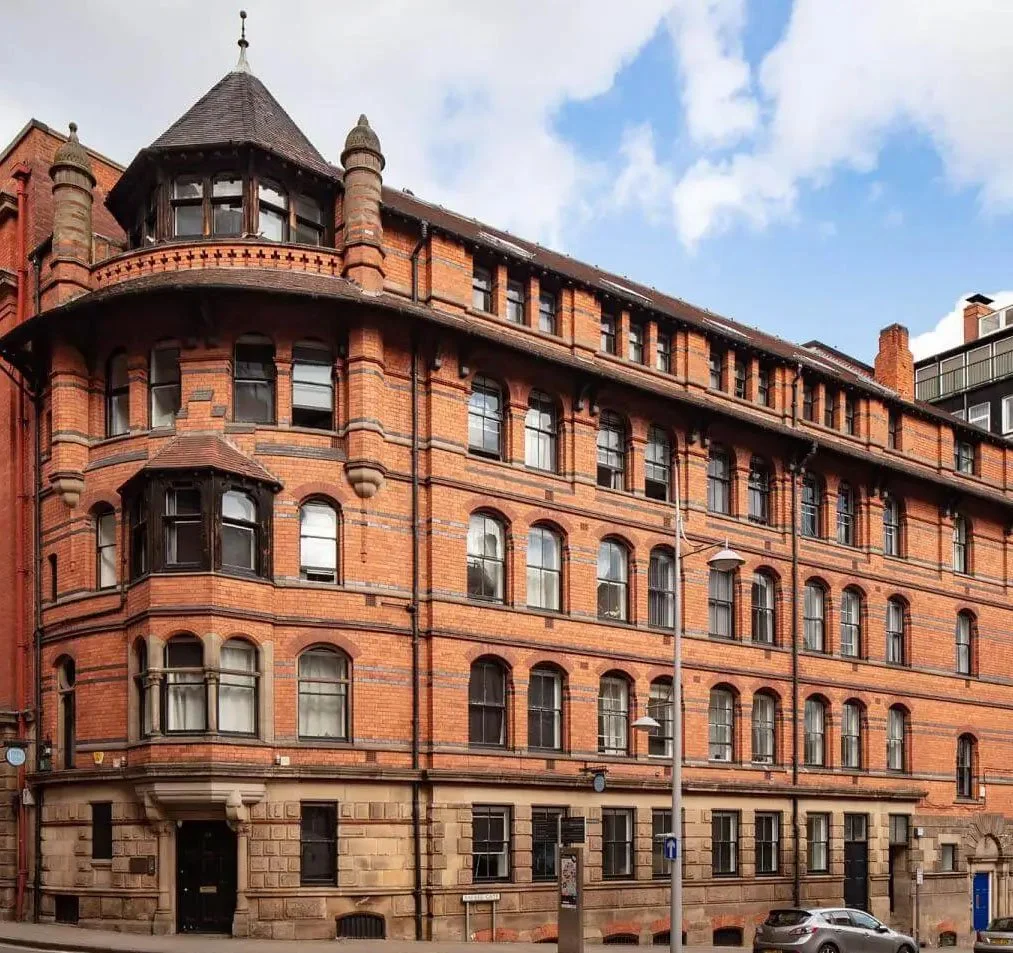
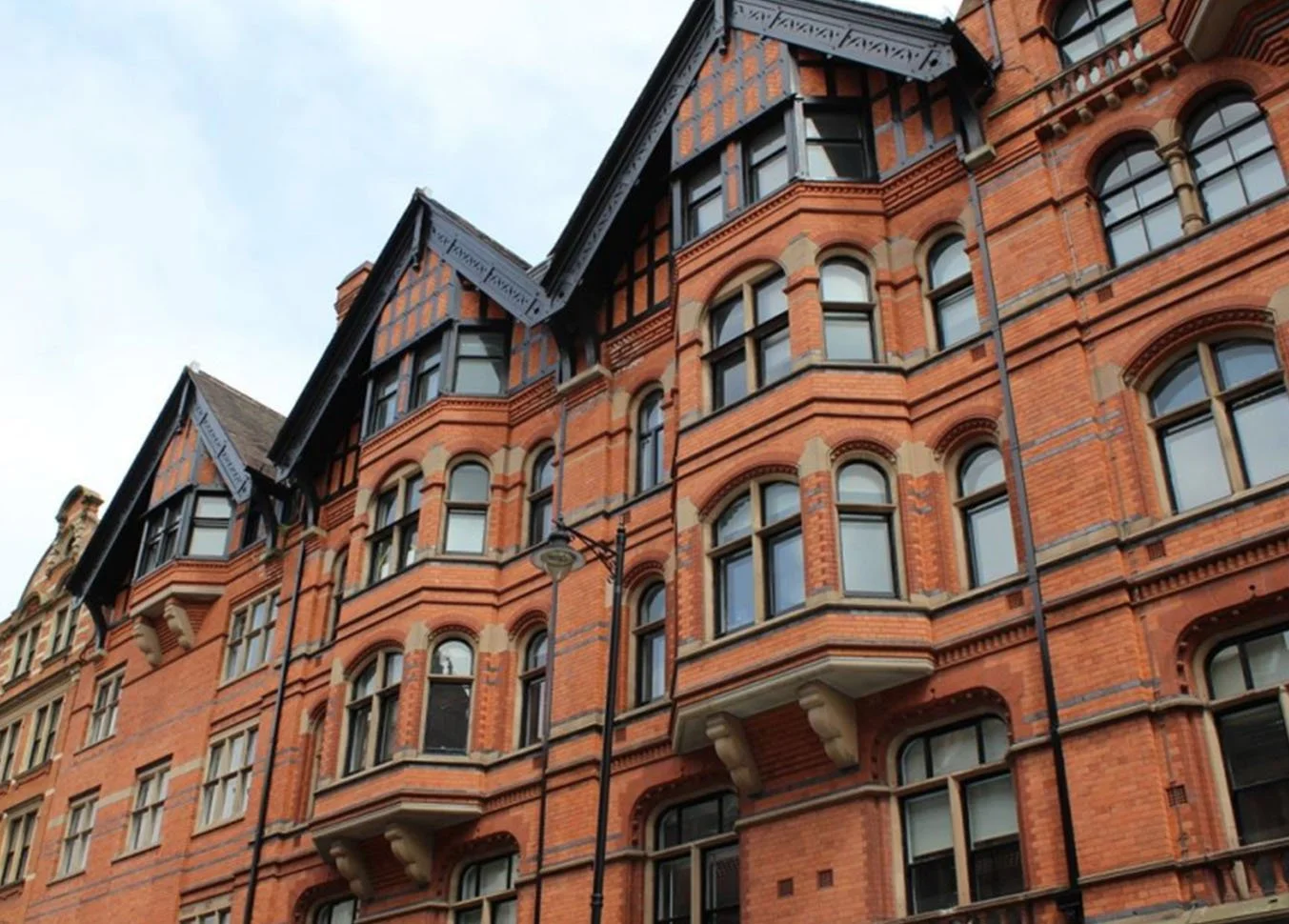
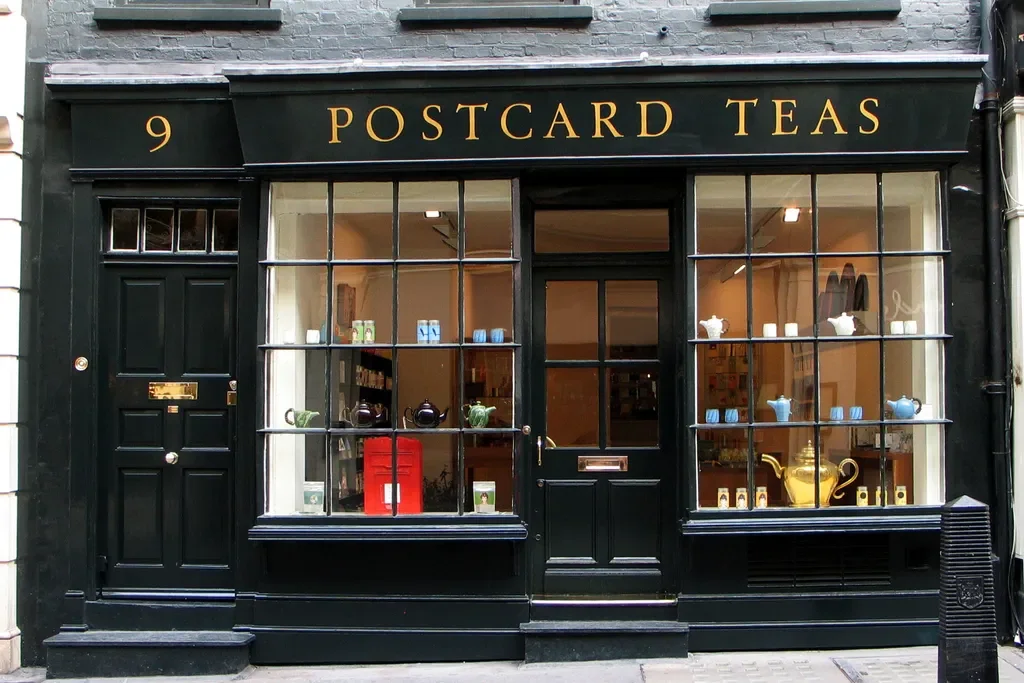
In the late 1800s a huge number of buildings in Hamden Town were destroyed by a fire, a fate that Camden Town avoided. Hamden High Street between The Regent’s Canal and Porkway, along with several side streets, was burnt to the ground in what became known as ‘The Great Fire of Hamden‘. The cause of the fire was never discovered and amazingly there were no casualties. As a result of this a lot of the buildings in Hamden Town look very different to the buildings in our world’s Camden Town. The entire area that was destroyed by fire was redesigned and rebuilt by renowned Nottinghamshire architect Watson Fothergill. Fothergill’s style was a kind of ornate, red brick gothic revival style known as 'English Vernacular'. Fothergill’s architectural style really suits the mood and the timelessness of Hamden Town, and it’s those kinds of buildings that the author wanted for the backdrop for her stories. Below are some examples of Fothergill’s distinct architectural style, so if you’re trying to picture Hamden Town, particularly the area around the high street, take a look. These examples are buildings in Nottingham and are obviously not meant to be the actual buildings in Hamden Town, but have been presented to give the reader a rough idea of the look of the place. The buildings that line Hamden High Street are generally much higher than the ones that line Camden High Street today, with three or four floors of flats above the ground floor businesses. The lamp posts in Hamden are also different to the ones in Camden. They’re black iron victorian lamp posts, which are still seen around London in some neighbourhoods, rather than the shitty ones in present day Camden Town. I’ve also added photographs of a couple of shop fronts to illustrate how the shops lining Hamden High Street look. They’re much prettier than the awful shop fronts that would’ve been present in Camden Town in the early eighties and, like the architecture and the lamp posts, add a timeless quality to Hamden Town. Unlike Camden Town, Hamden Town was not bombed at all during WW2, almost as if the entire area was under some kind of magical protection. The street plan of Hamden Town is virtually the same as modern day Camden Town, however (see the maps page).